
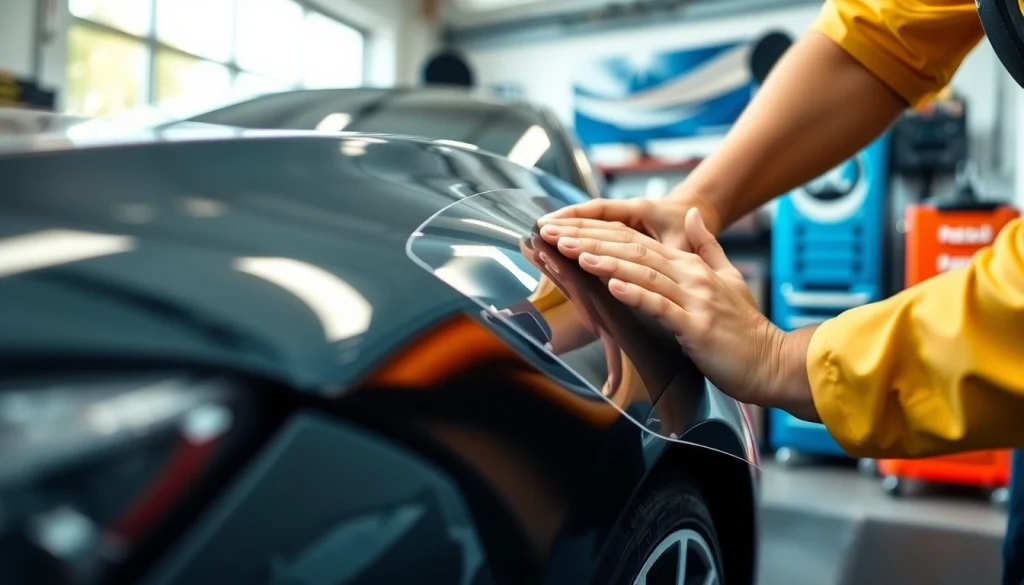

Understanding Paint Protection Film
What is Paint Protection Film?
Paint Protection Film (PPF) is a transparent, durable material designed to protect vehicle surfaces from scratches, chips, and other forms of damage. Using advanced technology, this film helps preserve the aesthetic appeal of cars by forming a strong barrier between the paint and the outside environment. Typically made from a thermoplastic urethane material, PPF is applied over the vehicle’s paintwork to create a virtually invisible shield, making it an appealing choice for car enthusiasts and everyday drivers alike. Many individuals search for paint protection film near me to locate professional installation services to ensure vehicle protection.
Benefits of Using Paint Protection Film
Paint Protection Film offers numerous benefits, appealing to both the practical and aesthetic preferences of vehicle owners. Here are several key advantages:
- Protection from Damage: PPF effectively guards against scratches, abrasions, and minor impacts, significantly reducing the risk of paint damage and preserving the vehicle’s finish.
- UV Protection: The film protects against harmful ultraviolet rays that can fade and oxidize the vehicle’s paint, thus maintaining its vibrant color over time.
- Self-Healing Properties: Many modern PPFs come with self-healing technology, where minor scratches and swirl marks disappear with the application of heat.
- Maintenance Ease: PPF requires minimal maintenance compared to traditional waxing or polishing, as it is easier to clean and maintain.
- Enhanced Resale Value: Vehicles protected with PPF tend to retain higher resale value, as the original paint is preserved from damage.
How Paint Protection Film Works
The functioning of Paint Protection Film relies on its unique material properties. PPF adheres firmly to the clear coat of the vehicle, acting as an additional layer of protection. When an impact occurs, the film distributes and absorbs the force, preventing damage to the underlying paint. Moreover, the self-healing feature in certain films responds to heat from the sun or a heat gun, allowing minor scratches to disappear as the film returns to its original state. By forming this protective barrier, PPF aids in maintaining a vehicle’s aesthetic appeal and longevity.
Types of Paint Protection Film
Clear Bra Options
Clear bra is a commonly used term for Paint Protection Film, renowned for its effectiveness in protecting vehicle surfaces without altering their appearance. This type of film is typically installed on high-impact areas such as the front bumper, hood, and side mirrors. Clear bra options vary in thickness and durability, allowing vehicle owners to choose based on their needs and usage patterns. High-quality options can resist yellowing over time, ensuring a long-lasting invisible shield.
Self-Healing Films
Self-healing films are at the forefront of PPF technology. This advanced film includes a polymeric structure that reacts to heat, allowing minor scratches and swirls to ‘heal’ themselves. When exposed to heat, the film’s molecules move and fill the scratches, restoring its smooth surface. This feature makes self-healing films particularly attractive for everyday vehicles subjected to wear and tear from road debris.
Matte & Textured Finishes
Matte and textured finish films cater to those looking for a distinct aesthetic. These films are designed to offer protection while providing a unique finish that can enhance the look of a vehicle. Matte finishes are popular among owners of luxury cars, giving them a sophisticated appearance. The textured options provide added grip and visual appeal, making them a versatile choice for customization.
Finding Paint Protection Film Near Me
Local Shops & Services
When searching for paint protection film near me, it’s essential to find reputable local shops that specialize in automotive protection services. Many installers offer free consultations and can provide firsthand insight into the best options based on your vehicle type and usage. Check for local listings, customer reviews, and social media recommendations to select a qualified shop.
Online Resources and Reviews
In addition to local shops, online resources can offer valuable information about Paint Protection Film options. Websites and forums dedicated to car enthusiasts often share user experiences and reviews, which can provide insights into the best products on the market. Sites like Yelp or Google Reviews can help gauge customer satisfaction and trustworthiness when selecting a service provider. Engaging in community discussions can also yield recommendations tailored to your needs.
Choosing the Right Installer
Choosing the right installer is crucial to achieving the best results with Paint Protection Film. Look for installers with certifications from manufacturers and a portfolio showcasing previous work. Certification indicates knowledge and adherence to industry standards. Additionally, consider the warranties offered, as these reflect the confidence of the installer in the quality of their work. Ultimately, your choice of installation reflects on the longevity and effectiveness of the protective film.
Installation Process for Paint Protection Film
DIY vs. Professional Installation
While there are DIY kits available for those who choose to install Paint Protection Film themselves, professional installation is often recommended for optimal results. Professionals possess the experience and tools needed to ensure precise application, avoiding common pitfalls associated with DIY installations. Additionally, improperly applied film can lead to bubbling, peeling, and reduced adhesive performance. For most vehicle owners, hiring a professional adds value and guarantees quality work.
Preparation Steps Before Installation
Preparing your vehicle for Paint Protection Film installation is essential to ensure a successful application. Begin by thoroughly cleaning the vehicle to remove dirt, wax, and residue. Consider using a clay bar to eliminate embedded contaminants on the paint surface. Once clean, inspect the area for any imperfections in the paint, as these can affect the adhesion of the film. Some installers recommend applying a ceramic coating before PPF for additional protection.
Post-Installation Care Tips
After the installation of Paint Protection Film, proper care can help extend its lifespan and maintain its performance. Avoid washing the vehicle for at least 48 hours to allow the film to adhere fully. When washing, use pH-balanced soaps and microfiber towels. UV exposure can gradually affect the film, so parking in shaded areas or using a car cover can help protect it from sun damage. Regular inspections for chips or imperfections can aid in early detection of any issues that may arise.
Common Questions about Paint Protection Film
How Long Does Paint Protection Film Last?
The lifespan of Paint Protection Film typically ranges from 5 to 10 years, depending on the quality of the film and environmental conditions. Proper maintenance can also enhance its longevity.
Can Paint Protection Film Be Removed?
Yes, Paint Protection Film can be safely removed without damaging the vehicle’s paint. Professional removal is recommended to avoid any complications or residue left behind.
Is Paint Protection Film Worth the Investment?
For many car owners, Paint Protection Film is a worthwhile investment. It preserves the vehicle’s aesthetic appeal and resale value while providing peace of mind against scratches and chips.
How Do I Tell if PPF Is Installed Correctly?
Properly installed PPF should have no bubbles, wrinkles, or peeling edges. Inspect the film for any visible imperfections and ensure that it adheres seamlessly to the vehicle surface.
Can I Wax My Car with Paint Protection Film?
Yes, you can wax your vehicle with PPF installed. However, use products that are safe for vinyl surfaces to avoid damaging the film’s protective qualities.