
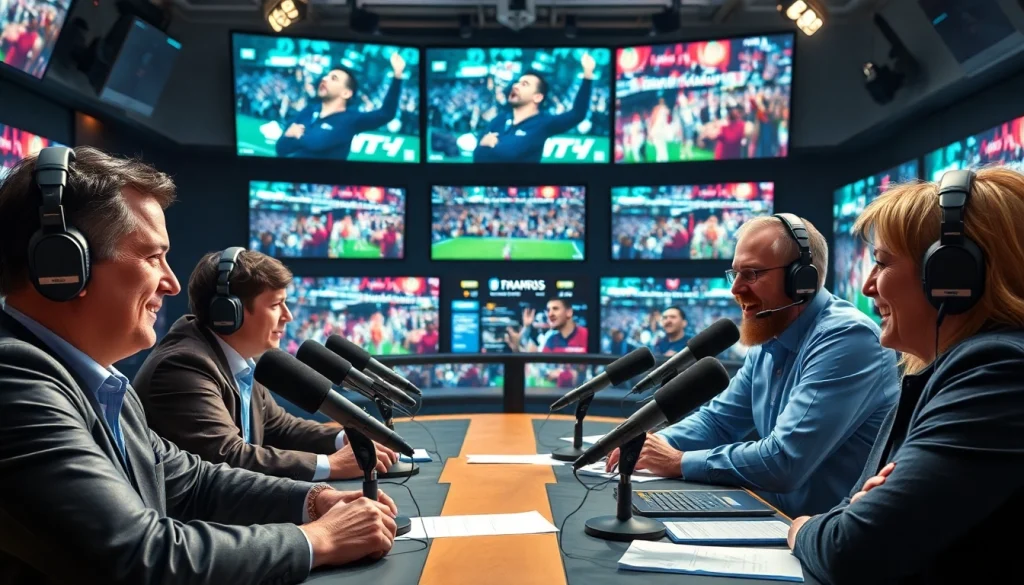

Understanding the Fundamentals of Sports Broadcasting
Key Definitions in Sports Broadcasting
To grasp the intricacies of Sports Broadcasting, it’s essential to start with foundational definitions. At its core, sports broadcasting refers to the dissemination of sports content via mediums such as television, radio, and online platforms. It encompasses the live airing of games, pre-game shows, locker room interviews, and post-game analyses, providing both entertainment and information to sports enthusiasts worldwide.
The Role of a Sports Broadcaster
A sports broadcaster plays an integral role in shaping the viewing experience. They are responsible for delivering commentary, expert analysis, and maintaining the excitement of live events. Typically, a sports broadcaster will possess vast knowledge of the sport they cover, engage in storytelling, and navigate technical challenges that come with live broadcasting. Good broadcasters build rapport with their audience, creating a sense of connectivity that enhances their engagement.
Essential Tools for Effective Broadcasting
Effective sports broadcasting hinges on various tools and technologies. Essential broadcasting equipment includes high-definition cameras, audio equipment, and broadcasting software. The use of graphics, instant replay technology, and video walls contributes to a richer viewing experience. Nowadays, a strong digital presence, aided by social media platforms, is also vital for attracting audiences and fostering interaction.
Delivering Engaging Sports Commentaries
Crafting Compelling Narratives
One hallmark of a great sports broadcaster is the ability to craft compelling narratives. This involves weaving background stories about teams and athletes into the commentary, providing a deeper context to the unfolding events. For example, discussing an athlete’s journey can draw viewers in emotionally, making them more invested in the game. The use of anecdotes and personal stories not only engages the audience but also humanizes the athletes, creating a more relatable experience.
Balancing Analysis and Entertainment
Sports commentary should strike a delicate balance between analysis and entertainment. Broadcasters must explain tactics and strategies without losing the excitement of the live event. Professional commentators often utilize humor and light-hearted banter to keep the atmosphere lively, helping to maintain viewer interest, especially during quieter moments. Interactive elements, such as audience polls or live questions, can further enhance engagement.
Techniques for Live Commentary
Mastering live commentary requires specific techniques that facilitate quick thinking and adaptability. Broadcasters need to stay focused and observant, ready to comment on unexpected events or key player performances. Using cues from co-commentators, timely transitions, and copious preparation are paramount in ensuring a smooth broadcast. Practicing voice modulation, pacing, and clarity also plays a significant role in maintaining listener engagement.
Technology in Sports Broadcasting
Impact of Live Streaming
The advent of live streaming has revolutionized sports broadcasting. It allows fans to access events regardless of their geographical location, breaking traditional broadcasting barriers. Platforms like social media and dedicated streaming services enable interactive viewing experiences that enhance audience participation. This technology has proven beneficial for lesser-known sports and leagues that may struggle for exposure through conventional means.
Utilizing Analytics in Broadcasting
Analytics in sports broadcasting provides broadcasters with critical insights into viewer preferences and behavior. By analyzing metrics such as viewership numbers, peak viewing times, and audience demographics, broadcasters can tailor their content to align with audience interests. This data-driven approach not only enhances user experience but also aids in strategic planning for future broadcasts, attracting sponsors and advertisers looking to capitalize on specific viewer segments.
Future Trends in Broadcast Technology
As technology advances, so too will sports broadcasting. Trends such as virtual and augmented reality are on the horizon, promising to create more immersive viewing experiences. 360-degree video and interactive broadcasts are gradually becoming part of mainstream coverage. Additionally, AI-driven commentary, which utilizes machine learning algorithms to analyze games and provide real-time insights, stands to change how audiences engage with sports content.
Challenges Faced by Sports Broadcasters
Handling Live Events and Technical Issues
Sports broadcasters must adeptly manage the unpredictability of live events. From technical glitches to unforeseen incidents during games, significant challenges can arise. Preparation is key; broadcasters often conduct thorough checks of equipment and set up contingency plans to manage potential issues. Effective communication with production teams and athletes, as well as crisis management training, can greatly assist in navigating these unpredictable moments.
Maintaining Viewership Engagement
In a highly competitive viewing landscape, maintaining audience engagement poses its own set of challenges. Broadcasters must continually innovate and adapt content to meet the tastes of evolving viewers. This could involve integrating social media interactions, introducing exclusive behind-the-scenes content, or enhancing viewer personalization through tailored broadcast options. Engaging storytelling and interaction are essential components in keeping audiences coming back for more.
Ethical Considerations in Reporting
Ethics in sports broadcasting is paramount. Broadcasters often face dilemmas that involve ensuring fairness in commentary, addressing sensitive topics with tact, and navigating relationships with teams and athletes. They must balance informative reporting with respect for privacy, ensuring that coverage does not exploit personal stories or tragedies. Adhering to journalistic integrity not only builds trust with viewers but also reinforces the broadcaster’s credibility.
Measuring Success in Sports Broadcasting
Key Performance Indicators
Measuring success in sports broadcasting involves utilizing several key performance indicators (KPIs). Metrics often include viewership numbers, engagement rates on various media platforms, and social media interactions. Tracking these KPIs helps organizations refine their strategies and tailor their content to meet audience expectations better, securing their position in a competitive market.
Audience Feedback and Ratings
Audience feedback is invaluable in understanding how a broadcast is received. Monitoring ratings and collecting viewer opinions can reveal preferences and highlight areas needing improvement. Utilizing focus groups, surveys, and analyzing social media commentary can provide broadcasters with direct insights into how their content is being perceived and ways to enhance future broadcasts.
Adapting Strategies Based on Data
The ability to adapt broadcasting strategies based on available data is critical for success. This adaptive approach requires a robust analysis of viewership trends and audience reactions to inform decision-making processes. By constantly iterating on content delivery, narratives, and technologies used, broadcasters can align more closely with viewer preferences and expectations, enhancing overall satisfaction and loyalty.
Frequently Asked Questions
What is Sports Broadcasting?
Sports broadcasting involves the live transmission of sports events through various media, providing commentary, analysis, and updates to viewers.
What skills are needed for a sports broadcaster?
Essential skills include communication, in-depth sports knowledge, adaptability, and the ability to engage with audiences both on and off-camera.
How has technology influenced Sports Broadcasting?
Technology has revolutionized sports broadcasting through live streaming, advanced analytics, enhanced production techniques, and engaging viewer experiences.
What ethical issues do sports broadcasters face?
Issues include fairness in reporting, handling sensitive information, maintaining unbiased commentary, and respecting privacy during broadcasts.
How can one measure the success of a sports broadcast?
Success can be measured using key performance indicators such as viewership numbers, audience engagement rates, and feedback from viewers.